Scholarship
Published Books & Articles
Research Statement
My work brings together literary studies and cultural history to explore how Indigenous being, belonging, and other-than-human kinship are expressed in our imaginative arts.
I’m interested in our diverse relationships—imagined and real, between bodies, peoples, ideas, times, and places, in all their ethical and relational complexities—and the ways they’re enhanced, diminished, and complicated by the stories we tell about ourselves and the stories we tell about one another. In short, I’m interested in how, by imagining otherwise and by centring voices, perspectives, and subjectivities too often pushed to the margins, we might better understand where we’ve come from, where we are in the world today, and how we might realize better and more ethical ways of being in the future.
Note: my past scholarship prioritized self-identification as the standard for Indigenous affiliation, but twenty years of unhappy experience with some scholars’ and writers’ fraudulent claims has led me to now prioritize formal Indigenous citizenship/membership as the baseline for any discussion of work emerging from Indigenous perspectives/contexts.
Indigenous Literary Studies
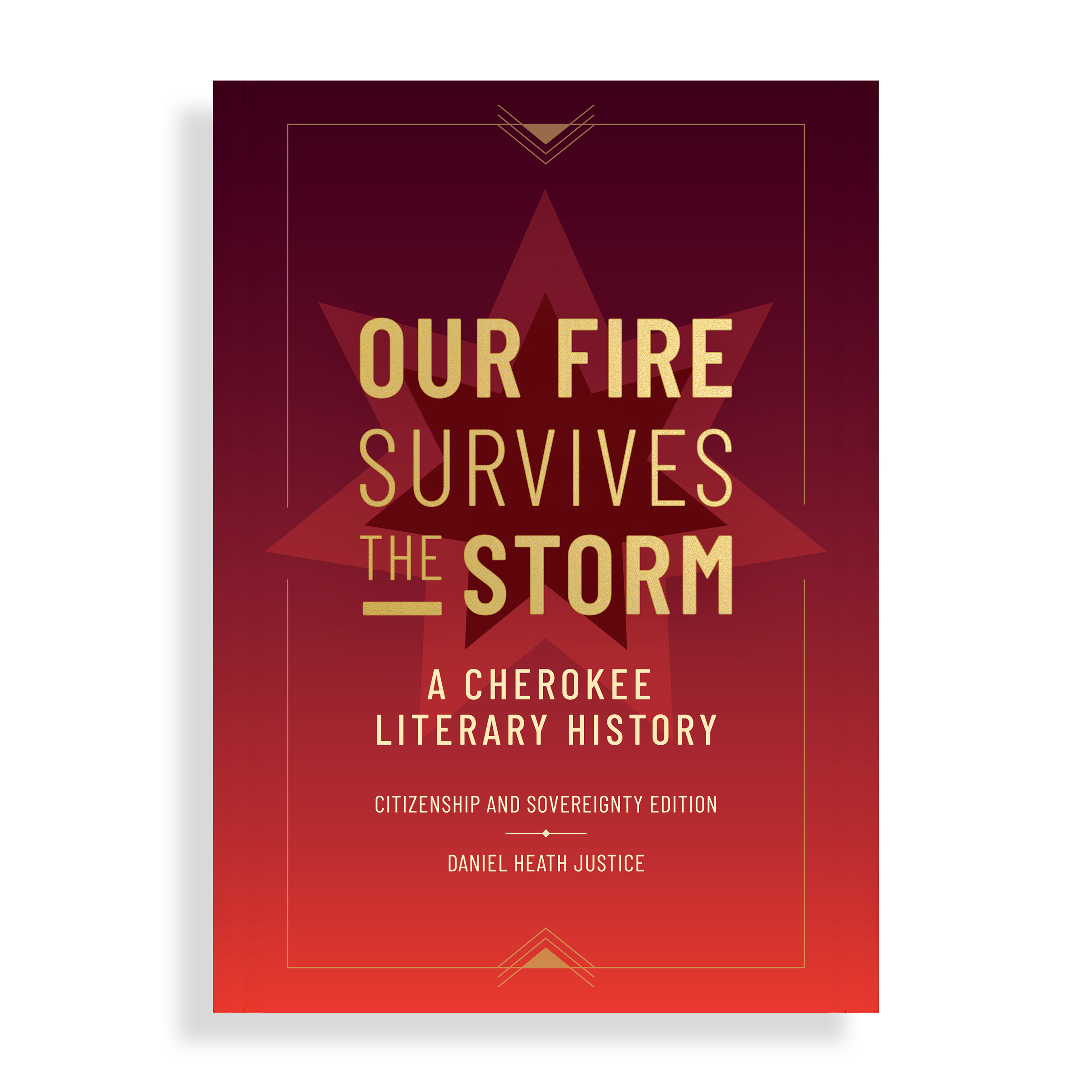
Our Fire Survives The Storm: A Cherokee Literary History, Citizenship And Sovereignty Edition
INDIGENOUS AMERICAS SERIES (UNIVERSITY OF MINNESOTA PRESS, 2026)
This Citizenship and Sovereignty Edition of Our Fire Survives the Storm is a thoroughly updated, nationhood-focused, twentieth-anniversary revision of Daniel Heath Justice’s influential study of Cherokee writing in English. Through politically astute and historically grounded readings of diverse texts by citizens of the Cherokee Nation, United Keetoowah Band of Cherokee Indians, and Eastern Band of Cherokee Indians, Justice connects Cherokee literature to Indigenous sovereignty, nationhood, and collective futurity.
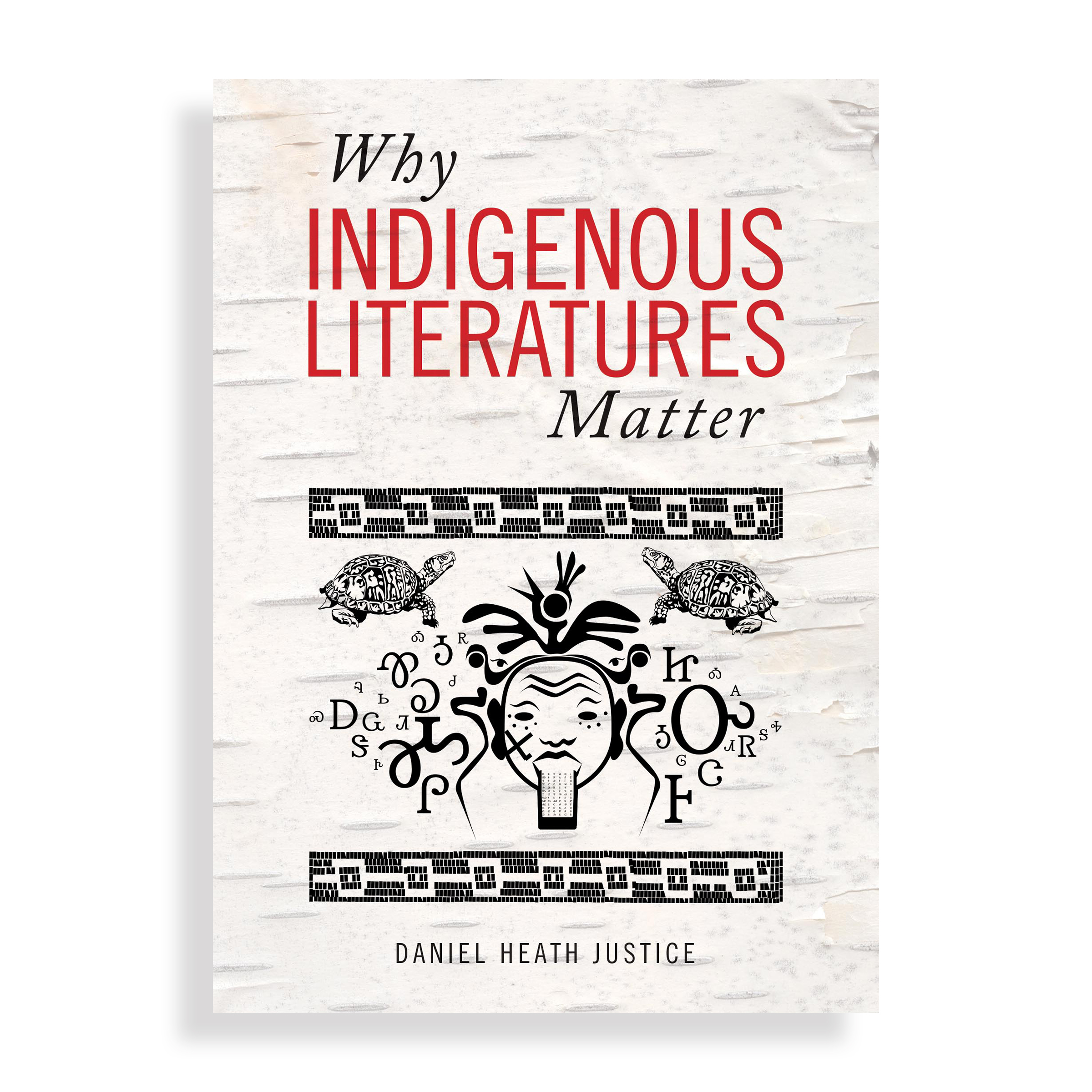
Why Indigenous Literatures Matter
INDIGENOUS STUDIES SERIES (WILFRID LAURIER UNIVERSITY PRESS, 2018)
Part survey of the field of Indigenous literary studies, part political and social history, and part literary polemic, Why Indigenous Literatures Matter considers how Indigenous writing works in the world through persona narrative, cultural analysis, and close readings of key creative and critical texts, guided by four central questions: How do we learn to be human? How do we become good relatives? How do we become good ancestors? How do we learn to live together?
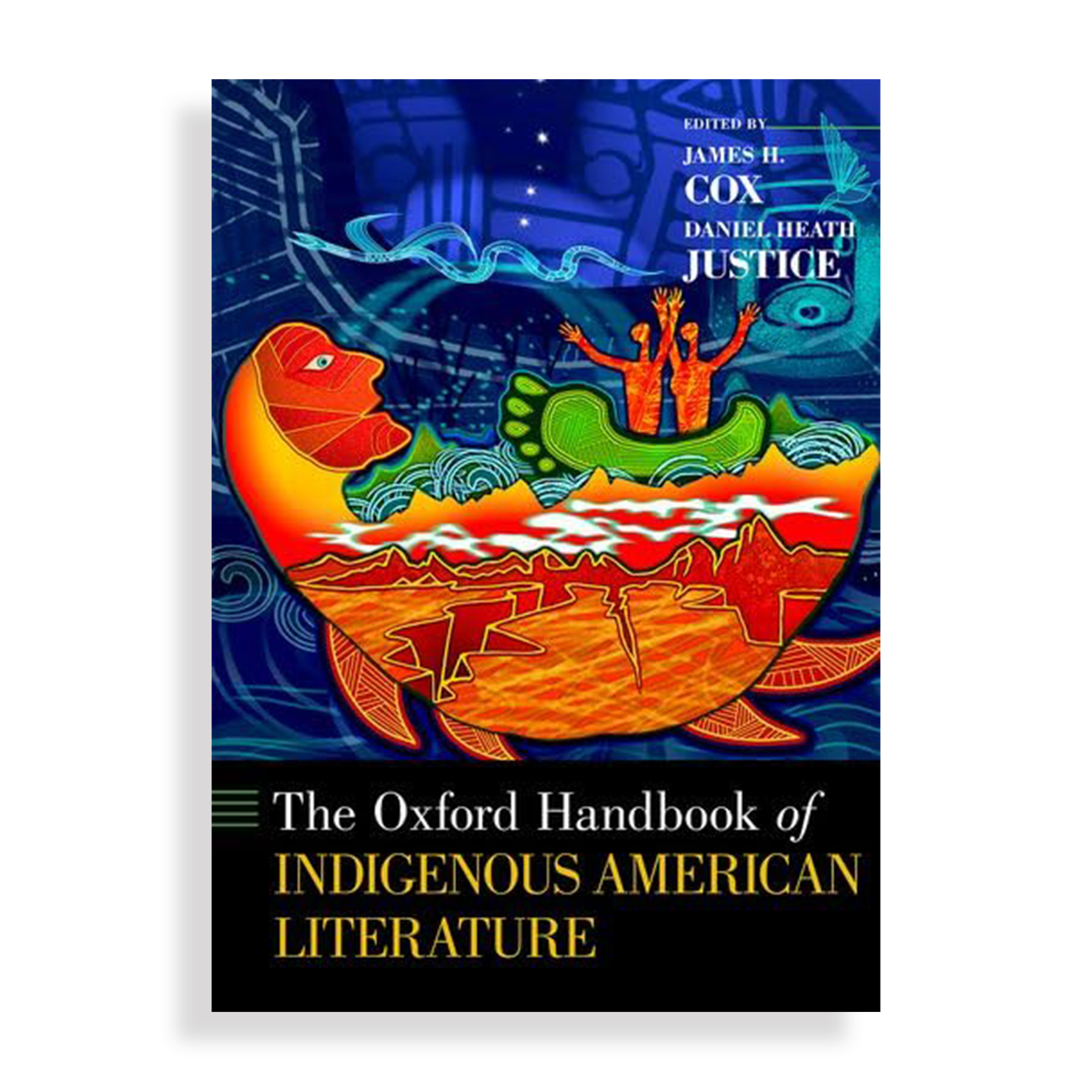
The Oxford Handbook of Indigenous American Literature
CO-EDITED WITH JAMES H. COX, UNIVERSITY OF TEXAS AT AUSTIN (OXFORD UNIVERSITY PRESS, 2014)
The Oxford Handbook of Indigenous American Literature is the most comprehensive and expansive critical handbook of Indigenous American literatures published to date. It is the first to fully take into account the last fifteen years of recovery and scholarship, and the first to most significantly address the diverse range of texts, secondary archives, writing traditions, literary histories, geographic and political contexts, and critical discourses in the field.

Reasoning Together
COLLECTIVE EDITORSHIP (UNIVERSITY OF OKLAHOMA PRESS, 2008)
This collectively edited and authored volume celebrates a group of Native critics performing community in a lively, rigorous, sometimes contentious dialogue that challenges the aesthetics of individual literary representation. Reasoning Together proposes nothing less than a paradigm shift in American Indian literary criticism, closing the gap between theory and activism by situating Native literature in real-life experiences and tribal histories.
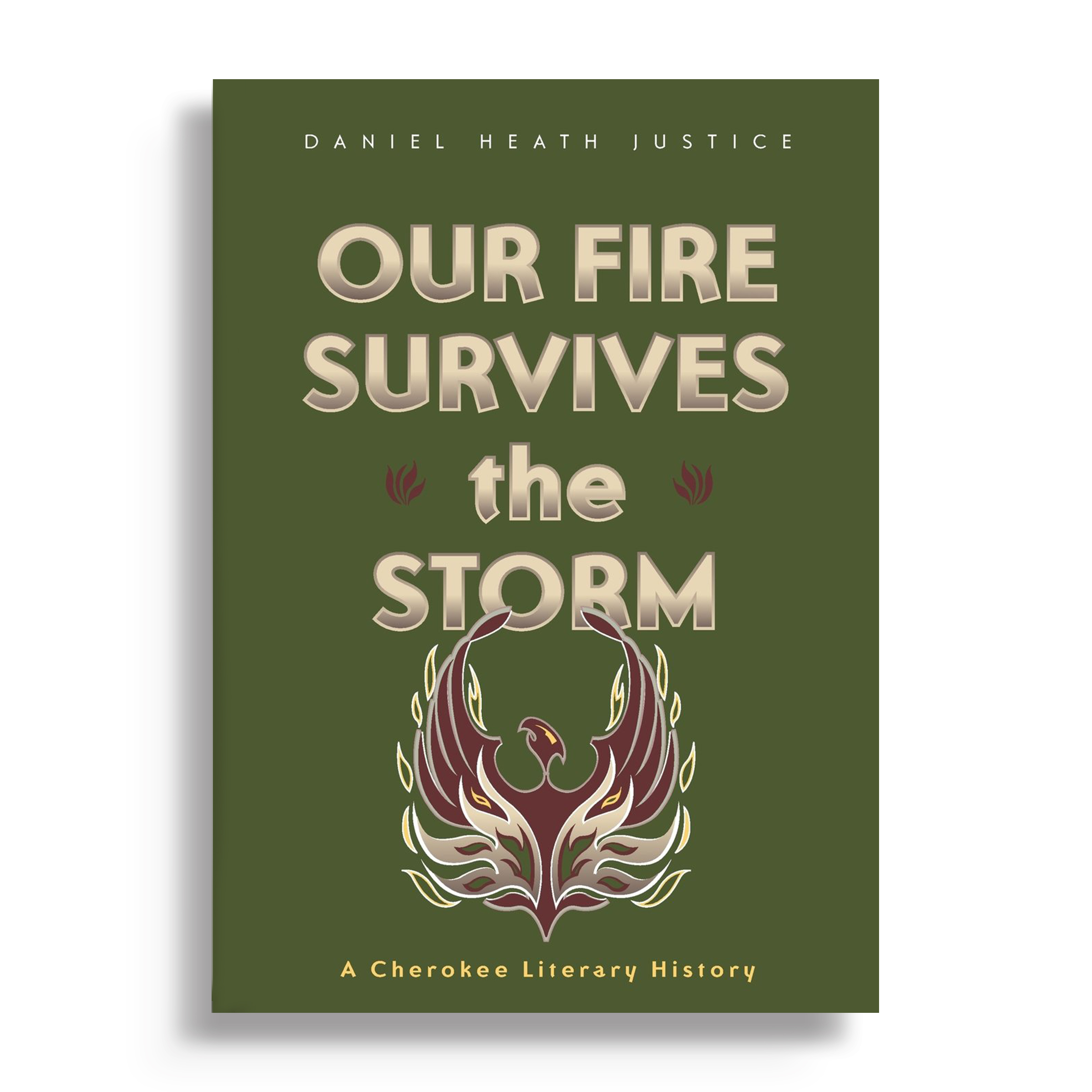
Our Fire Survives the Storm (First Edition)
INDIGENOUS AMERICAS SERIES (UNIVERSITY OF MINNESOTA PRESS, 2006)
This book examines many of the ways that Cherokees have understood and expressed identity and experience through writing in English. Drawing from this rich and ever-expanding canon, I examine three primary features of historical and contemporary Cherokee life–nationhood, removal, and regeneration–through literary expressions of cultural continuity. Our literature is the textual testament to our endurance; just as our oral traditions reflect the living realities and concerns of those who share them, so too do our literary traditions.

“By embracing a wider canon of indigenous authors, Justice explores personhood, queer identities, ancestry, and speculative works (dubbed ‘wonderworks’), and offers erudite, passionate analysis of and paths toward discovering new material.”
– Publishers Weekly (9 April 2018) review of Why Indigenous Literatures Matter
Critical Indigenous Studies
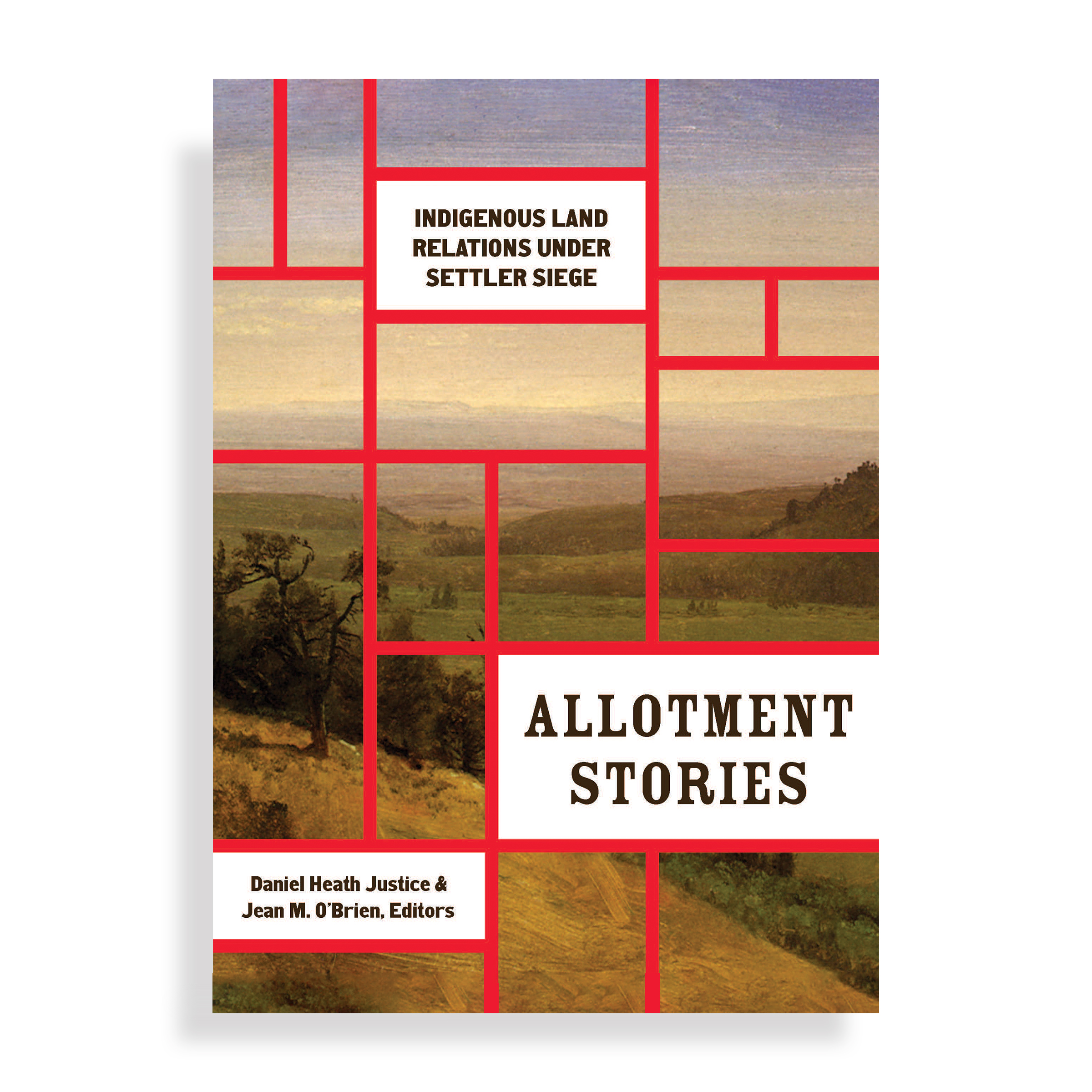
Allotment Stories: Indigenous Responses to Settler Colonial Land Privatization
CO-EDITED WITH JEAN M. O’BRIEN (WHITE EARTH OJIBWE), UNIVERSITY OF MINNESOTA (UNIVERSITY OF MINNESOTA PRESS, 2022)
Land privatization has been a longstanding and ongoing settler colonial process separating Indigenous peoples from their traditional homelands, with devastating consequences. Allotment Stories delves into this conflict, creating a complex conversation out of narratives of Indigenous communities resisting allotment and other dispossessive land schemes.
Animal Studies
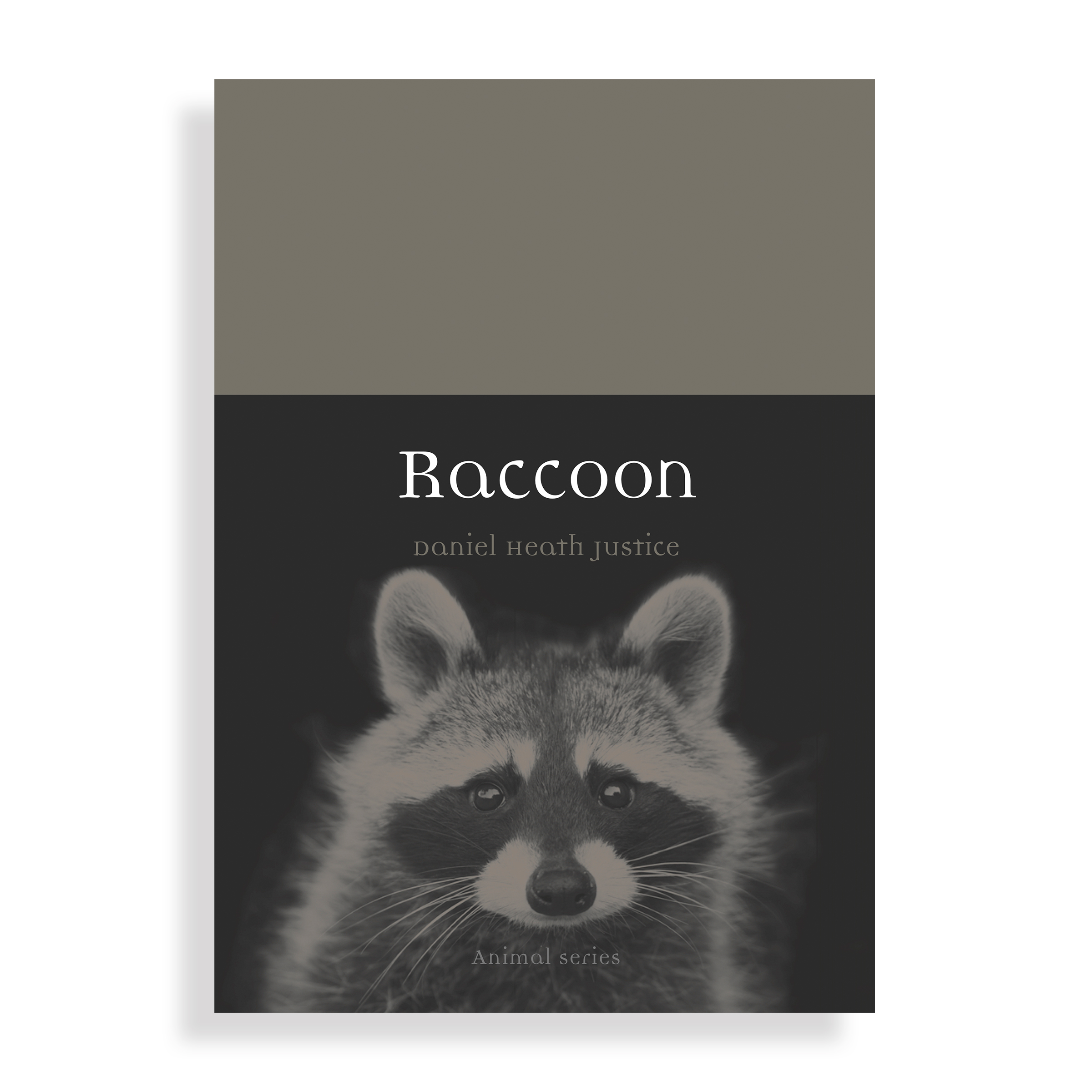
Raccoon
BOOK 100 IN THE ANIMAL SERIES FROM REAKTION BOOKS, EDITOR JONATHAN BURT (REAKTION BOOKS, 2021)
Masked bandits of the night, raiders of farm crops and rubbish bins, raccoons are notorious for their indifference to human property and propriety, yet they are also admired for their intelligence, dexterity and determination. Raccoons have also thoroughly adapted to human-dominated environments; they are thriving in numbers greater than at any point of their evolutionary history…including in new habitats.
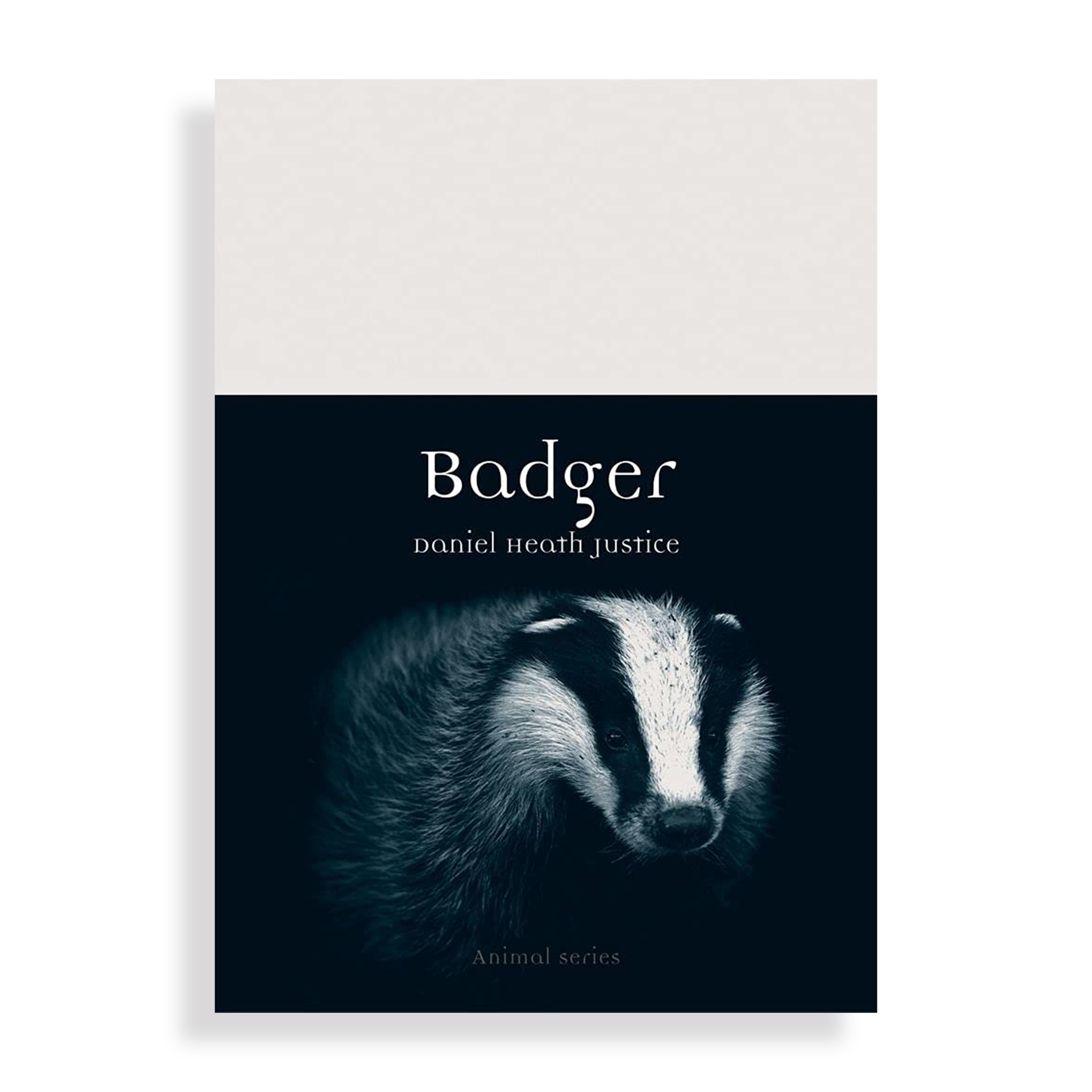
Badger
ANIMAL SERIES, EDITOR JONATHAN BURT (REAKTION BOOKS, 2015)
Viewed as fierce, menacing or mysterious, badgers have been both admired and reviled throughout human history. Their global reputation for ferocious self-defence has led to brutalization by hunters and sport-seekers; their association with the mythic underworld has made them symbols of earth-based wisdom and steadfast tradition; their burrowing and predation habits have resulted in widespread persecution as pests or public nuisances. Whether as living animals, abstract symbols or commercial resources, badgers have fascinated humans for thousands of years – though often to the animals’ detriment.
Articles
Storify Essay: Perils Of Settler-Colonial Patriarchy—The Case of The Cherokee Princess
ORIGINALLY POSTED AS A TWEET THREAD THEN MOVED TO STORIFY (2017)
Storify Essay: Pro-Tips For Writers Interested In “Native” Themes
ORIGINALLY POSTED AS A TWEET THREAD THEN MOVED TO STORIFY (2016)
EVOLVING PERSPECTIVES
The Boundaries Of Inclusivity
Rethinking How I Discussed Cherokee Identity in my Earlier Scholarship
In the past I had a very trusting and inclusive approach to Cherokee identity, one that placed self-identification in parallel with verified citizenship in a federally recognized Cherokee Tribal Nation. This was partly just an openness to the complexities of peoples’ experiences and family stories, but if I’m being honest it was also a reflection of my own insecurity in having not been raised culturally Cherokee or brought up in Cherokee community. But expansive inclusivity like this, no matter how well-intentioned it may be, has particularly negative consequences for Cherokees, as we’re the main focus for fraudulent or unverifiable claims to Native identity (sometimes for profoundly mercenary purpose, and often in ways that displace tribal sovereignty).
READ MORE
Over the past decade my thinking on self-identification and its impacts has significantly changed on these issues with the accumulating and ever more egregious impacts of identity misinformation on the Baby Veronica ICWA case, the effects of Elizabeth Warren’s repeatedly debunked family history claims, hundreds of millions of dollars in Native grants being awarded to people fraudulently claiming Cherokee identity, and academics building prominent and often lucrative careers on unsubstantiated heritage claims among the most prominent examples, as well as a number of painful interpersonal and professional violations of trust that have, sadly, made me far more skeptical and circumspect on these matters. (And it’s not just Cherokees who deal with this; I live in Canada, where the Red River Métis people of the prairies also deal with their share of non-Indigenous people claiming vague and often stereotypical “Métis” identity specifically for access to treaty rights and resources.)
While many writers and scholars I’ve discussed and cited as Cherokees in the past are enrolled and recognized citizens of one of the three Cherokee Tribal Nations–Cherokee Nation (CN), United Keetoowah Band of Cherokee Indians (UKB), or Eastern Band of Cherokee Indians (EBCI)–others are not, and over time many of these claimant writers’ family heritage stories have come under scrutiny and have in some cases been reliably disproven. As a result, I’m now firmly of the position that the best and most reliable way to confirm the foundations of Cherokee belonging is through recognized Cherokee citizenship. As such, authority to determine who is or is not Cherokee belongs exclusively with the CN, UKB, and EBCI, who together have a very substantial documentary archive to support extensive lived relationships, community-grounded oral histories, and persistent kinship understandings.
I’ve certainly accepted and held up some unsubstantiated claimants as Cherokee in the past, but that uncritical inclusivity has resulted in the repeatedly unhappy experience of some of these people instrumentalizing our friendship or professional relationship or my publications as evidence of their identity claims. Indeed, it’s happened so often that I now have to clearly and unequivocally state that any personal or professional connections I’ve had with noncitizen claimants are not, under any circumstances, to be understood as my offering either public or private validation or verification of their unsubstantiated heritage claims. Similarly, inclusion of any noncitizen claimant writer or scholar in my past scholarship should not be read as affirmation, verification, nor endorsement of their heritage claims. Absent clear and verifiable recognition by our Nations, they cannot reasonably or ethically be considered Cherokees. Indigenous belonging is embedded in collective accountability, not individualistic assertions, and only the three federally recognized Cherokee tribes can substantiate genuine Cherokee affiliation and connection. Any statement, presumption, or implication to the contrary–in general or in specific reference to me or to my work, or to that of other Cherokee citizens–is a clear and unequivocal error of fact, and in far too many of these cases, also a violation of trust.
A truly ethical inclusivity requires reasonable, informed, and compassionate boundaries; we can attend to the very real complexities in peoples’ families and relations without displacing legitimate Cherokee kinship and political sovereignty. At the end of the day it’s incumbent on individual writers, scholars, artists, etc. who claim Cherokee heritage to be transparent about how they are (or are not) connected to federally recognized Cherokee communities, as per the Cherokee Scholars’ Statement on Sovereignty and Identity, to which I am a signatory and which I fully support. If these claimants aren’t verifiably connected to our Nations through citizenship or confirmable relations, they shouldn’t claim affiliation: not publicly, not privately.
My current work is more directly attentive to these matters and firmly grounds Cherokee belonging in the sovereign rights of our three Tribal Nations to determine belonging. Even so, I remain fully responsible for the ways my past published work stands, stumbles, or falls on these issues, and in future revised editions of these works I will do my utmost to honestly address, clarify, and correct these matters as thoughtfully and as carefully as I can. I’ve begun that reparative work with the forthcoming fully revised and edition of Our Fire Survives the Storm: A Cherokee Literary History, Citizenship and Sovereignty Edition (to be published December 2025).
A NOTE ON SOVEREIGN EROTICS
Sovereign Erotics: A Collection of Two-Spirit Literature
(No longer recommended)
I was a co-editor of this volume, which our editorial collective imagined to be the most significant anthology specifically focused on contemporary writing by Indigenous queer and two-spirit people. The book has some incredible work by some really talented Indigenous writers with strong connections to their communities. Unfortunately, we relied on self-identification in considering contributors to the volume, and in the years since it’s become painfully obvious that not only was one of the editors (Driskill) not connected to any of their claimed Indigenous communities (primarily Cherokee, but others as well), a few of the contributors also had no demonstrable ties to Indigenous peoples aside from vague and unsubstantiated family stories. To be honest, even in 2011 there were questions about Driskill’s identity claims that I failed to heed due to our then-friendship. (While I won’t deadname them or participate in transphobic rhetoric in challenging their long-unproven claims of belonging, I also won’t acknowledge their appropriated Cherokee name, referring to them either by last name only or as [stolen name] Driskill.)
I believed in the project when it was published in 2011; I still honour the dedication and personal integrity of co-editors Lisa Tatonetti and Deborah Miranda, whose trust and hard work have also been impacted by these revelations; I still believe that the larger vision and the legitimate contributions to the volume merit respect. Yet the ensuing years have repeatedly demonstrated that unsubstantiated and fraudulent identity claims have a corrosive and wide-ranging impact on both the creative and critical work in the field of queer and two-spirit studies, as well as on students and scholars doing work in the field and trusting in the foundational honesty of those publishing in it, and Sovereign Erotics is now fully implicated in those harms. As a result of all these considerations–and as sad as I am to now repudiate it–I believe that Sovereign Erotics is just too badly compromised by the taint of Driskill’s identity fraud and the volume’s conceptual privileging of individualistic self-identification over Indigenous nationhood and sovereignty to recommend it to general readers or scholars. Queer Indigenous Studies is a field currently undergoing significant reimagining and ethical realignment to ensure that legitimate Indigenous belonging is at its centre, not the settler story-making and identity appropriation that dominated so much of the field for so long.
While many writers and scholars I’ve discussed and cited as Cherokees in the past are enrolled and recognized citizens of one of the three Cherokee Tribal Nations–Cherokee Nation (CN), United Keetoowah Band of Cherokee Indians (UKB), or Eastern Band of Cherokee Indians (EBCI)–others are not, and over time many of these claimant writers’ family heritage stories have come under scrutiny and have in some cases been reliably disproven. As a result, I’m now firmly of the position that the best and most reliable way to confirm the foundations of Cherokee belonging is through recognized Cherokee citizenship. As such, authority to determine who is or is not Cherokee belongs exclusively with the CN, UKB, and EBCI, who together have a very substantial documentary archive to support extensive lived relationships, community-grounded oral histories, and persistent kinship understandings.
I’ve certainly accepted and held up some unsubstantiated claimants as Cherokee in the past, but that uncritical inclusivity has resulted in the repeatedly unhappy experience of some of these people instrumentalizing our friendship or professional relationship or my publications as evidence of their identity claims. Indeed, it’s happened so often that I now have to clearly and unequivocally state that any personal or professional connections I’ve had with noncitizen claimants are not, under any circumstances, to be understood as my offering either public or private validation or verification of their unsubstantiated heritage claims. Similarly, inclusion of any noncitizen claimant writer or scholar in my past scholarship should not be read as affirmation, verification, nor endorsement of their heritage claims. Absent clear and verifiable recognition by our Nations, they cannot reasonably or ethically be considered Cherokees. Indigenous belonging is embedded in collective accountability, not individualistic assertions, and only the three federally recognized Cherokee tribes can substantiate genuine Cherokee affiliation and connection. Any statement, presumption, or implication to the contrary–in general or in specific reference to me or to my work, or to that of other Cherokee citizens–is a clear and unequivocal error of fact, and in far too many of these cases, also a violation of trust.
A truly ethical inclusivity requires reasonable, informed, and compassionate boundaries; we can attend to the very real complexities in peoples’ families and relations without displacing legitimate Cherokee kinship and political sovereignty. At the end of the day it’s incumbent on individual writers, scholars, artists, etc. who claim Cherokee heritage to be transparent about how they are (or are not) connected to federally recognized Cherokee communities, as per the Cherokee Scholars’ Statement on Sovereignty and Identity, to which I am a signatory and which I fully support. If these claimants aren’t verifiably connected to our Nations through citizenship or confirmable relations, they shouldn’t claim affiliation: not publicly, not privately.
My current work is more directly attentive to these matters and firmly grounds Cherokee belonging in the sovereign rights of our three Tribal Nations to determine belonging. Even so, I remain fully responsible for the ways my past published work stands, stumbles, or falls on these issues, and in future revised editions of these works I will do my utmost to honestly address, clarify, and correct these matters as thoughtfully and as carefully as I can. I’ve begun that reparative work with the forthcoming fully revised and edition of Our Fire Survives the Storm: A Cherokee Literary History, Citizenship and Sovereignty Edition (to be published December 2025).