About Daniel
My Story So Far
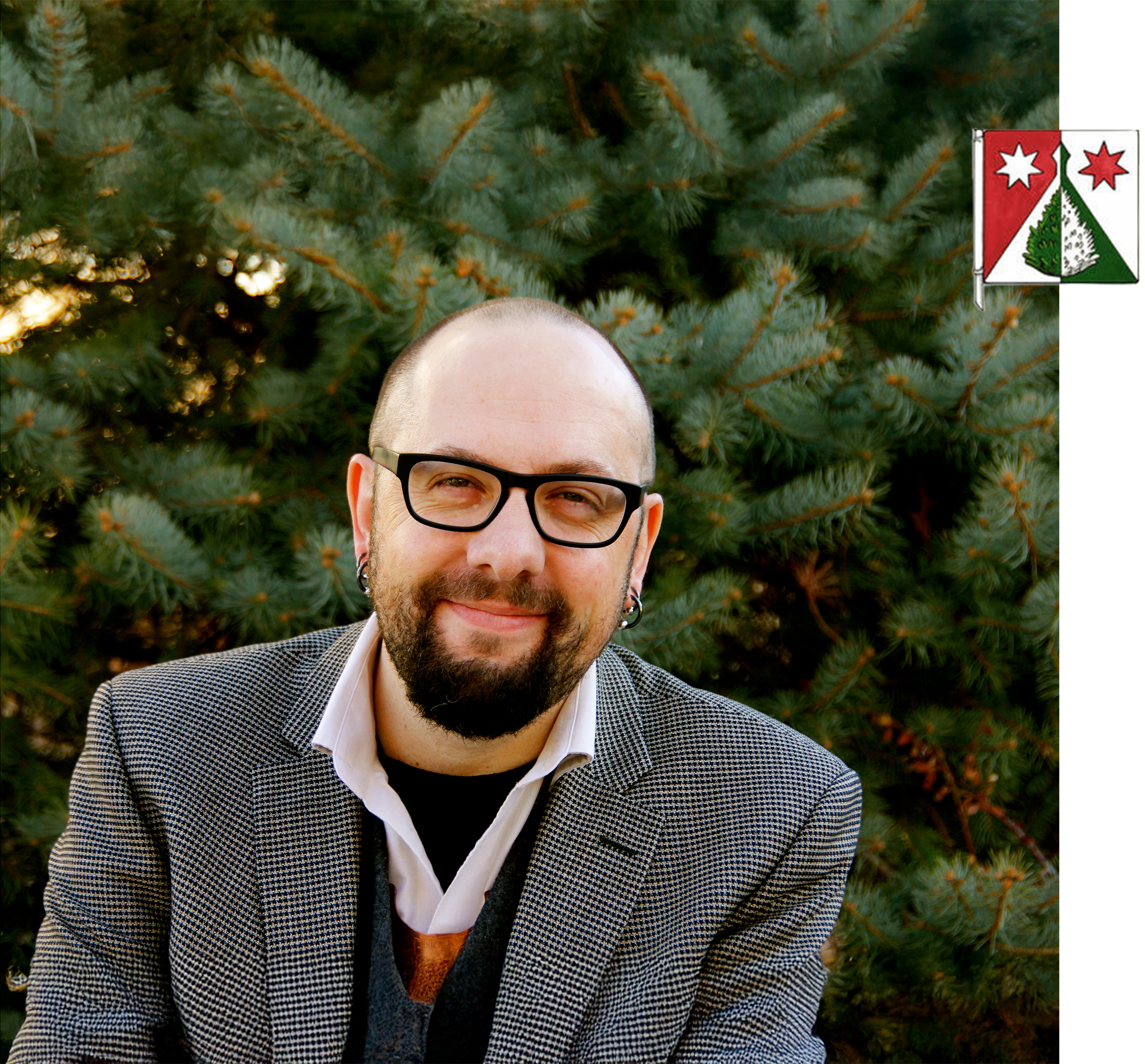
“Writing in all its forms is a scary act; it makes us vulnerable and exposes our softest parts to a world not known for its gentleness. But there’s magnificent power in that vulnerability, and it’s deserving of acknowledgment.”
– Daniel Heath Justice
BIOGRAPHY
Personal & Cherokee Nation Background
I’m a queer Cherokee Nation citizen raised outside of Cherokee community, the third generation of my mom’s family to grow up in and around the Rocky Mountain mining town of Victor, Colorado, on stolen Southern Ute territory. We don’t know much about her people other than that they were a working-class mix of English, Jewish, and western European white settlers whose lives were shaped by the economic precarity and social transience associated with resource extraction. My dad’s far more documented Cherokee Nation lineage carries our persistent familial commitment to Cherokee sovereignty, citizenship, and kinship despite repeated cycles of dispossession and displacement. (See the Statement of Indigenous Citizenship and Affiliation below for further details.) Both sides of my family have been shaped by the intergenerational impacts of story and silence alike, and much of who I am and the work I do comes from trying to understand those meaningful inheritances, their ruptures, and their repair.
My career in higher education has focused on dignity, inclusivity, and representation for BIPOC, working-class, first-generation, and queer learners. While some of my mom’s siblings went to college, Mom only finished high school and Dad’s schooling ended at 8th grade. Both firmly supported my dream of university education. I graduated from a high school class of 23 and went on to earn an English undergrad at the University of Northern Colorado, followed by an M.A. and Ph.D. in Native American literature at the University of Nebraska.
In 2002 I moved to Canada for my first academic job at the University of Toronto, and after a decade there joined the University of British Columbia, where I currently work as a professor in the Institute for Critical Indigenous Studies and the Department of English Language and Literatures.
As a multidisciplinary scholar and creative writer in Indigenous literatures, speculative fiction, and cultural history, these layered contexts of nationhood, geography, class, sexuality, and education firmly ground my community accountabilities, my professional commitments, and my creative and cultural engagements. My scholarship and my fiction centre Indigenous nationhood and citizenship, Indigiqueer and otherwise imaginaries, and other-thanhuman kinship in history, literature, art, and politics.
Although my hometown in the Colorado Rockies and the Cherokee Nation in northeast Oklahoma each hold their own special place in my heart and my life, over the years I’ve been fortunate to find belonging in other places, including Nebraska, Massachusetts, and Ontario. My husband and I now call British Columbia home, where we live with our frenzy of feral forest Frenchies in the unceded swiya of the shíshálh Nation on BC’s Sunshine Coast.
BIOGRAPHY
Statement Of Indigenous Citizenship And Affiliation
I’m an enrolled, at-large Cherokee Nation citizen born and raised in Colorado and now living on coastal shíshálh territory in Canada. Cherokee Nation-ᏣᎳᎩᎯ ᎠᏰᎵ is a federally recognized Indigenous Nation with a global population of 468,000 citizens and jurisdiction over a 7000 square mile reservation in northeast Oklahoma in the US. Through our 1999 Constitution (Article IV, Section 1), Cherokee Nation determines formal affiliation as citizenship through confirmed lineal descent from one or more original enrollees on our base 1907 Final Cherokee Dawes Roll. I was raised, along with my dad and siblings, outside the geographic boundaries of the Nation. This is common for Five Tribes citizens and descendants, especially for those whose families, like mine, left after the allotment process came to Indian Territory in the late nineteenth and early twentieth centuries, a process that resulted in my dad’s maternal kin moving from northeast Oklahoma to Colorado around 1920.
My direct paternal ancestors as well as extended kin are listed in all key records used by Cherokee Nation authorities and culturally informed researchers and genealogists to reliably document at least ten consecutive generations of legitimate, persistent, and ongoing Cherokee relations from the late 1700s to today. Through my late citizen father, Jimmie J Justice, I’m a direct lineal descendant of Ross-aligned survivors of the Trail of Tears as well as Chickamaugadescended Cherokee Old Settlers who emigrated to Indian Territory (now Oklahoma and Arkansas) before Removal, with extended Traitor/Treaty Party relations and intermarried white Shields, Crockett, and Bandy kin, along with kinship and marriage ties to Ross, Crittenden, Parris, Rusk, and other citizen Cherokee families. Before the Trail of Tears my lineal and extended Cherokee ancestors lived in the Amohee, Aquohee, Chickamauga, and Chatooga districts of the old Cherokee Nation homeland (in today’s Tennessee, Georgia, and Alabama); after forced relocation to Indian Territory, most Spears and Foreman kin rebuilt in Tahlequah and Cooweescoowee districts of the restored Nation, with the Old Settler Rileys first established in Skin Bayou district. My mom, Deanna Kathline (Fay) Justice, was of a English, Jewish, and mixed European settler heritage that we still know little about, as it was far less well documented than my dad’s side.
Many of our Foreman, Spears, and Riley ancestors and extended relatives were prominent and politically active, including service on the National Committee and National Council and participation in a diverse range of Cherokee Nation institutions over multiple generations. My paternal my great-granddad Amos Spears, was a Cherokee Nation citizen, an original Dawes allottee, and a Cherokee Male Seminary alumnus.
Like most Cherokee Nation citizens in Indian Territory at the time, Amos was forcibly enfranchised as a US citizen on 3 March 1901 through a unilateral Congressional amendment to section 6 of the General Allotment (Dawes) Act, even as our Nation was fighting to maintain its sovereignty and distinct political identity. His eldest daughter, my grandmother Pearl Clara Spears, was a by-birth dual citizen of Cherokee Nation and the US, born a “too-late” on the family homestead allotment outside Vera in Cooweescoowee District on the eve of Oklahoma statehood, where she was raised until the family moved to Colorado when she was a teenager.
My dad and I were not raised culturally Cherokee: Pearl’s 1945 death from tuberculosis ruptured Dad’s relationship with her family, although his sister Alverta remained close to our Spears kin. Dad and Alverta were estranged when I was young but reconciled when I was a teenager, and the restoration of our family’s Cherokee citizenship, relations, and accountabilities has grounded my subsequent life’s work from abroad, on regular visits back to the Nation, and in active participation in Cherokee intellectual, social, and political life.
The US government unilaterally suspended the Nation’s electoral, citizenship, and enrollment processes with Oklahoma statehood in 1907, but these were rekindled with the 1970 Five Tribes Act (Public Law 91-495) and fully restored in the Cherokee Nation Constitution of 1975 (ratified 1976). Throughout our history and today, Cherokee Nation has consistently recognized my family’s interrupted but unbroken line of citizenship and political belonging. My own citizenship status can be verified by contacting the Cherokee Nation Tribal Registration department directly by phone or email: 918- 453-5058; registration@cherokee.org. As a member of Digadatseli’i ᏗᎦᏓᏤᎵᎢ Cherokee Scholars (an association of citizen-scholars from the three federally recognized Cherokee Tribal Nations) and signatory to the 2020 Cherokee Scholars’ Statement on Sovereignty and Identity, I don’t consider this information confidential.
IMPORTANT NOTE: For the most accurate information about Cherokee culture, politics, and history, and for information relating to historical and contemporary Cherokee concerns as well as citizenship status, criteria, and kinship ties, go to the official tribal websites, or contact the tribes directly. It’s important to prioritize informed Cherokee voices on Cherokee matters.
Cherokee Nation
Eastern Band of Cherokees
United Keetoowah Band of Cherokees
AREA OF FOCUS
Critical Indigenous Studies
My work sits at the intersection of Indigenous literary studies, critical theory, and Cherokee intellectual history and creative practice. I’m especially interested in how Indigenous writers articulate history, sovereignty, belonging, and political responsibility through story and legitimate kinship. Alongside this core focus, I also explore race, gender, and sexuality in speculative fiction and what I call Indigenous “wonderworks,” drawing on insights from cultural studies, queer studies, and animal studies. These commitments shape my teaching as well, where I focus on critical Indigenous studies and literatures, and the imaginative possibilities of “imagining otherwise” through speculative fiction. Creatively, I’m drawn to Indigenous, BIPOC, and queer fantasy, weird fiction, epic fantasy and Steampunk speculation, and forms of creative nonfiction that allow for experimentation, vulnerability, and wonder.
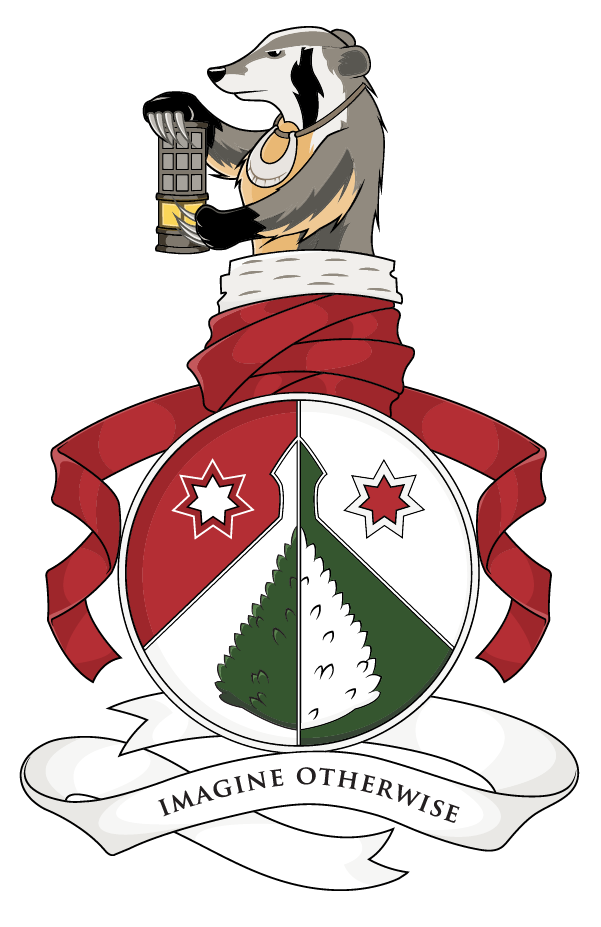
ABOUT MY COAT OF ARMS
Heraldry and Personal Arms
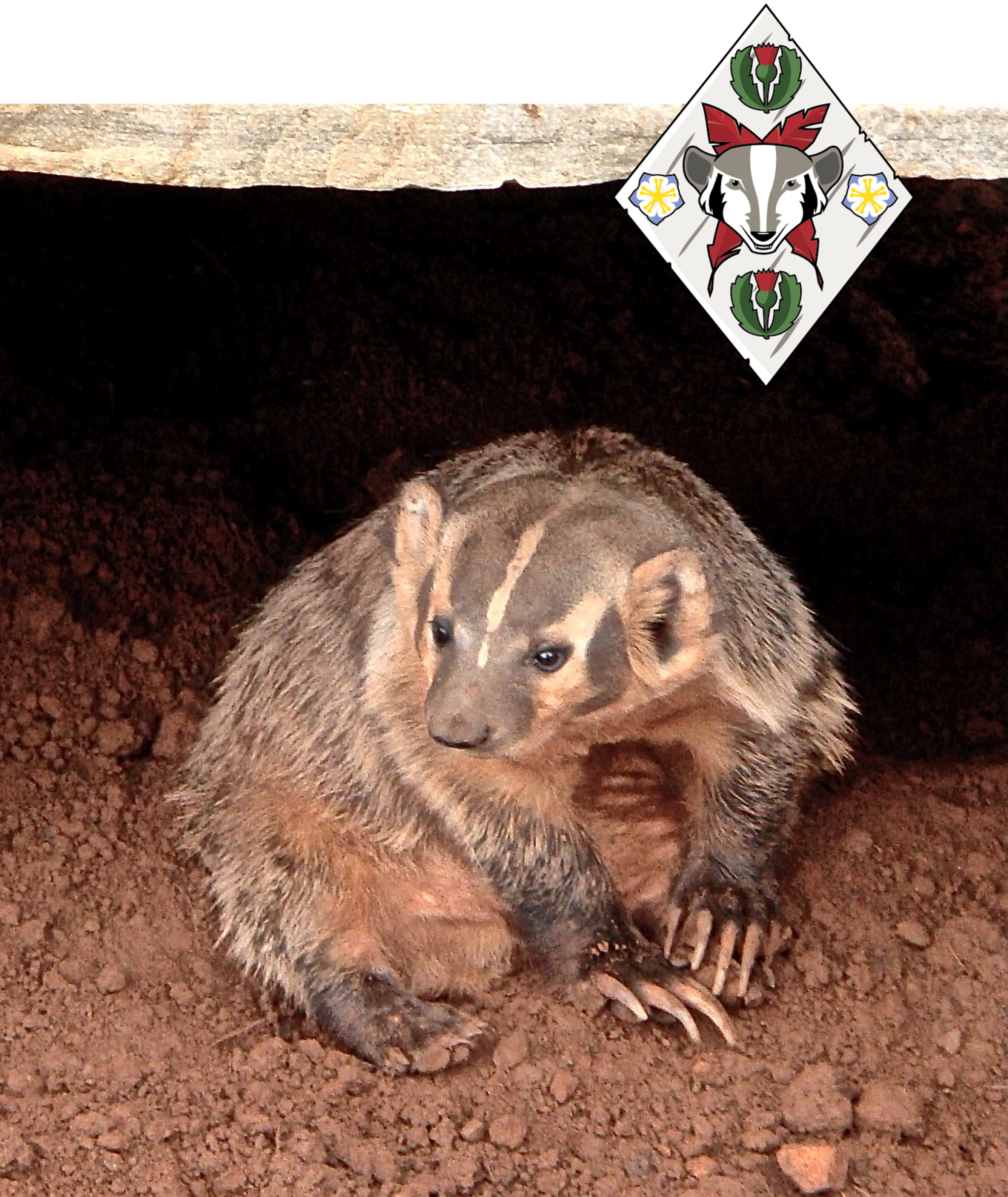
My Coat of Arms grew out of a lifelong fascination with symbolism, iconography, and the ways carefully crafted images can express identity, values, and relationships. While researching visual materials for an early book project, I encountered Canadian heraldry, an inclusive tradition rooted in European forms but deeply attentive to the cultural and ecological realities of this land. Discovering that Indigenous citizens were actively reshaping heraldry on their own terms, I decided to apply for armorial bearings as a way of contributing Cherokee representation to this evolving visual tradition.